
The Allure of the Casino Environment
The casino environment is meticulously designed to captivate and engage players, creating an immersive experience that appeals to the senses. Various elements such as vibrant colors, enticing lights, and lively sounds are strategically orchestrated to evoke excitement and anticipation. For many, the moment they step onto the casino floor, they feel a magnetic pull, abandoning their reservations as they become entranced by the myriad of games and the tantalizing possibility of winning big, especially at an instant withdrawal casino where payouts can happen in a flash. This carefully crafted atmosphere is a significant part of what makes casinos a unique psychological landscape, drawing individuals into a world where the thrill of chance reigns supreme.
Moreover, the unpredictable nature of gambling adds to its allure. Casinos employ a variety of games that operate on chance, which can be psychologically thrilling. For example, slot machines often utilize variable reward schedules that create a heightened sense of suspense. When players pull the lever, they experience a cocktail of emotions—hope and fear—wondering if they will hit the jackpot or lose everything. This psychological rollercoaster can keep players engaged for hours, blurring the lines of time and personal limits, making it easy for them to lose track of their original intentions.
The social aspect of casinos further enhances their appeal. Players often gather around table games, fostering a communal atmosphere filled with shared excitement and camaraderie. The interaction among players can amplify the overall experience, as they cheer each other on, share strategies, or engage in friendly banter. This social reinforcement can lead to prolonged play, as individuals become increasingly absorbed in the environment and the collective thrill felt by those around them, creating a bond that enhances their gambling experience.
The Psychological Triggers of Gambling
In the realm of casinos, certain psychological triggers compel individuals to gamble continuously, often leading to repetitive behaviors that can be detrimental. One fundamental trigger is the concept of ‘loss aversion.’ This principle explains why players may chase their losses, feeling an emotional compulsion to recover what they have lost. When individuals lose money, the pain of that loss can drive them to gamble more, perpetuating a cycle that can be difficult to escape. Understanding this notion is vital for recognizing why some players find it challenging to walk away from the gaming tables, as their emotions override rational judgment.
Another psychological trigger that contributes to continued gambling behavior is the phenomenon of ‘near misses.’ Players often interpret near misses—as when they come close to winning—as an indication that they are on the verge of success. This perception creates a false sense of hope, compelling them to keep trying. The psychological impact of these near misses is significant; it not only blinds players to the reality of their odds but can also lead to increased gambling behavior as they become trapped in a cycle of optimism despite the statistical likelihood of loss.
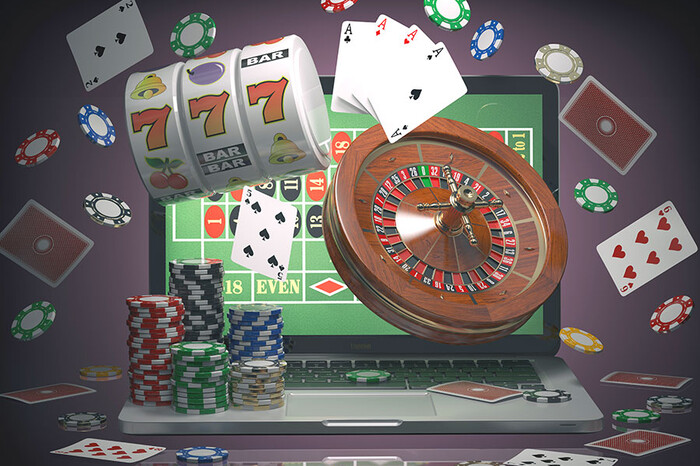
Additionally, casinos often implement promotional strategies that exploit these psychological triggers. Offering complimentary drinks, free spins, or bonuses can enhance the gambling experience and encourage longer play. These incentives effectively blur the line between spending money and seeking entertainment, as players may feel they are getting value even as they incur losses. This manipulation of psychological factors plays a crucial role in a casino’s ability to attract and retain customers, maximizing profits at the potential cost of players’ financial well-being.
The Role of Emotion in Gambling Behavior
Emotion plays a monumental role in shaping players’ gambling behaviors and choices. Individuals approach gambling with a broad spectrum of emotions, from excitement and exhilaration to stress and anxiety. This emotional rollercoaster can heavily influence decision-making processes, leading to impulsive and potentially harmful choices. For instance, when players experience a winning streak, they may feel invincible, prompting them to engage in higher-risk bets than they might otherwise consider. Conversely, losses can lead to feelings of frustration and desperation, causing players to make irrational decisions in an effort to recover their losses.
The influence of emotions is further complicated by cognitive biases, including the illusion of control. This phenomenon occurs when players believe they can influence the outcomes of random events, such as a roulette spin. Such beliefs can exacerbate risky behaviors, encouraging players to place reckless bets. For example, a player may feel confident that they can dictate the outcome by choosing specific numbers, despite the randomness of the game. This psychological misperception significantly affects how players interact with various games, ultimately shaping their gambling experiences.
Moreover, the highs associated with wins and the lows of losses can create a compulsive cycle of behavior. The euphoric feelings stemming from winning can lead to an addictive feedback loop, where players continually seek to replicate that emotional high. This investment in emotions complicates the management of gambling habits, making it harder for individuals to recognize when they need to step back or seek help. Understanding these emotional dynamics is essential for both players and those advocating for responsible gambling practices, as it highlights the importance of emotional awareness in managing gambling behavior.
The Impact of Personal Identity on Gambling Choices
The choices individuals make in casinos are often deeply intertwined with their personal identities and self-perceptions. For many players, gambling can become an extension of who they are, influencing the types of games they select and how they engage with the casino atmosphere. For instance, some may be drawn to high-stakes games as a means of asserting dominance or status, while others might prefer low-stakes environments for a more social and relaxed experience. This connection between identity and gambling behavior is complex, revealing underlying motivations that drive individuals to the casino floor.

Furthermore, personal identity is often shaped by cultural and social factors that inform gambling experiences. Different cultures carry distinct attitudes towards risk, luck, and gambling, influencing how individuals approach these activities. For example, in some cultures, gambling is viewed as a traditional form of entertainment, while in others, it may be met with skepticism or disapproval. These cultural beliefs can significantly impact decision-making, risk tolerance, and overall engagement with casino activities, further emphasizing the importance of understanding the role of identity in gambling behavior.
Additionally, the rise of online gambling has introduced a new layer of identity construction. Players can curate their online personas, which can alter how they interact with games and other players. This anonymity often leads to riskier behavior, as individuals may feel less accountable for their actions when hidden behind a screen. Recognizing the influence of personal identity in gambling practices is crucial for developing effective strategies that promote healthy gaming behaviors and encourage responsible play among various demographics.
Understanding Responsible Gambling Practices
As the allure of casinos continues to draw players in, understanding the psychological foundations of gambling behavior is essential in fostering responsible gambling practices. Many casinos and gaming organizations have increasingly recognized the importance of promoting responsible gambling as a means of mitigating negative outcomes for players. Implementing strategies that encourage players to set budgets, comprehend the odds, and take regular breaks is vital for maintaining a healthy relationship with gambling. Education and awareness serve as critical tools in assisting players to make informed decisions about their gaming activities.
Moreover, the integration of technology in responsible gambling initiatives has gained significant traction. Many casinos now offer tools that allow players to track their playing time and spending habits. These digital resources empower players to monitor their behaviors, facilitating conscious choices about their gambling activities. By leveraging technology, casinos can create a safer environment where players feel encouraged to gamble responsibly while remaining aware of their limits and risks.
Finally, establishing support systems for individuals struggling with gambling addiction is crucial within the casino ecosystem. Resources such as helplines, counseling services, and self-exclusion programs are vital for providing assistance to those in need. By fostering an open dialogue about the psychological aspects of gambling, casinos can contribute to a healthier gaming culture, equipping individuals with the tools they need to navigate their gambling experiences more effectively and responsibly.
Recent Comments